NUTRITION

Good food starts before the kitchen.

What animals eat can influence the food we eat. Explore what feeding research shows, then take a closer look at nutrients in everyday servings.

Fried eggs, whole-grain toast and roasted tomatoes beside a bowl of yogurt with berries.

Illustrative serving suggestion.

What they eat can change what you eat.

Feeding studies have found differences in certain fats, vitamins and other compounds in eggs, milk and beef. The results depend on what the animals eat and the conditions being studied.

Published research, not Simply Pasture product results. Food composition alone does not establish better health outcomes.

More to discover inside the shell.

A controlled study found higher vitamin E and omega-3 levels in eggs from hens given pasture and supplemental feed than in eggs from its cage-fed comparison group.

Read the egg study

This 2010 study followed 75 pastured hens and 50 caged hens over six weeks. Diets and housing differed, so the results do not isolate outdoor access alone. They should not be treated as a guaranteed nutrient increase in every pasture-raised egg.

Forage can change the fat profile.

A U.S. study of milk from cows eating nearly all forage found higher omega-3 concentrations than its conventional comparison samples. It illustrates how feed can influence the mix of fats in milk.

Read the milk study

The 2018 paper analyzed 1,163 milk samples collected over three years and compared them with an earlier milk survey. It was not a human health trial or a simultaneous randomized feeding experiment. Nearly all-forage feeding is also more specific than a pasture-raised label.

Finishing leaves a different profile.

A 2024 study found more omega-3 fats and several other compounds in pasture-finished beef. Some vitamins were higher in grain-finished beef. The difference was a pattern of nutrients, not more of everything.

Read the beef study

Researchers compared samples from 18 pasture-finished and 18 grain-finished cattle in two commercial systems. Location and management also differed. The authors say human trials are needed to establish whether the composition differences affect health.

Explore the feeding research in more detail

See what a serving brings.

Choose a food to explore one of the nutrients it provides.

Typical food reference values

EGGS

Two hard-boiled eggs cut into four halves on a ceramic plate.

Two large hard-boiled eggs

294 mg

Choline

About 53% of the Daily Value

Choline helps build cell membranes and supports normal nerve and muscle signaling.

Reference food: large hard-boiled eggs. Calculated for two large hard-boiled eggs using NIH’s reference of 147 mg per egg.

NIH choline fact sheet

MILK

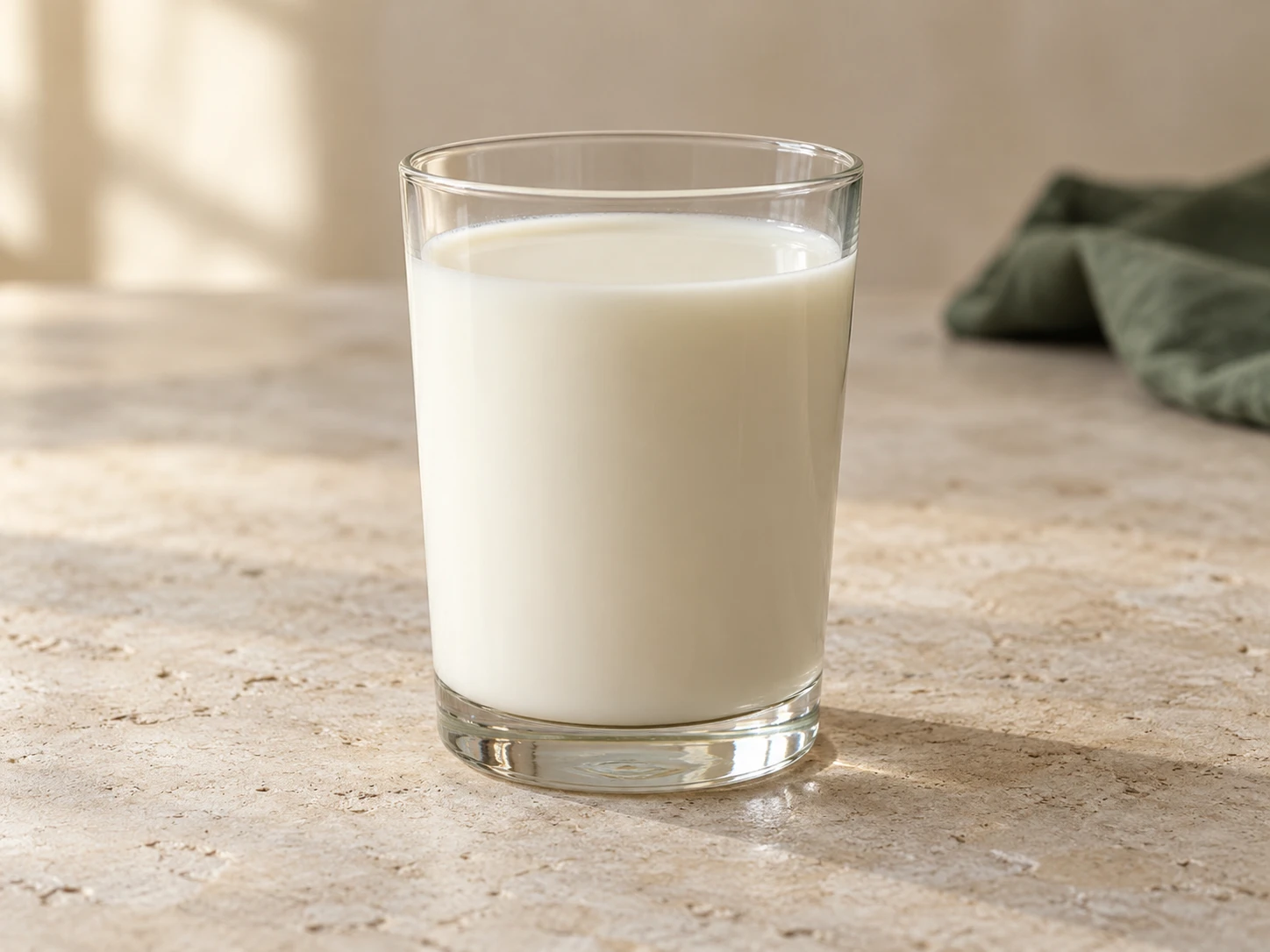
A clear drinking glass of milk on a stone tabletop.

One cup of whole milk

276 mg

Calcium

About 21% of the Daily Value

Calcium helps maintain bones and teeth and supports normal muscle and nerve function.

Reference food: whole milk with 3.25% milk fat.

NIH calcium fact sheet

BEEF

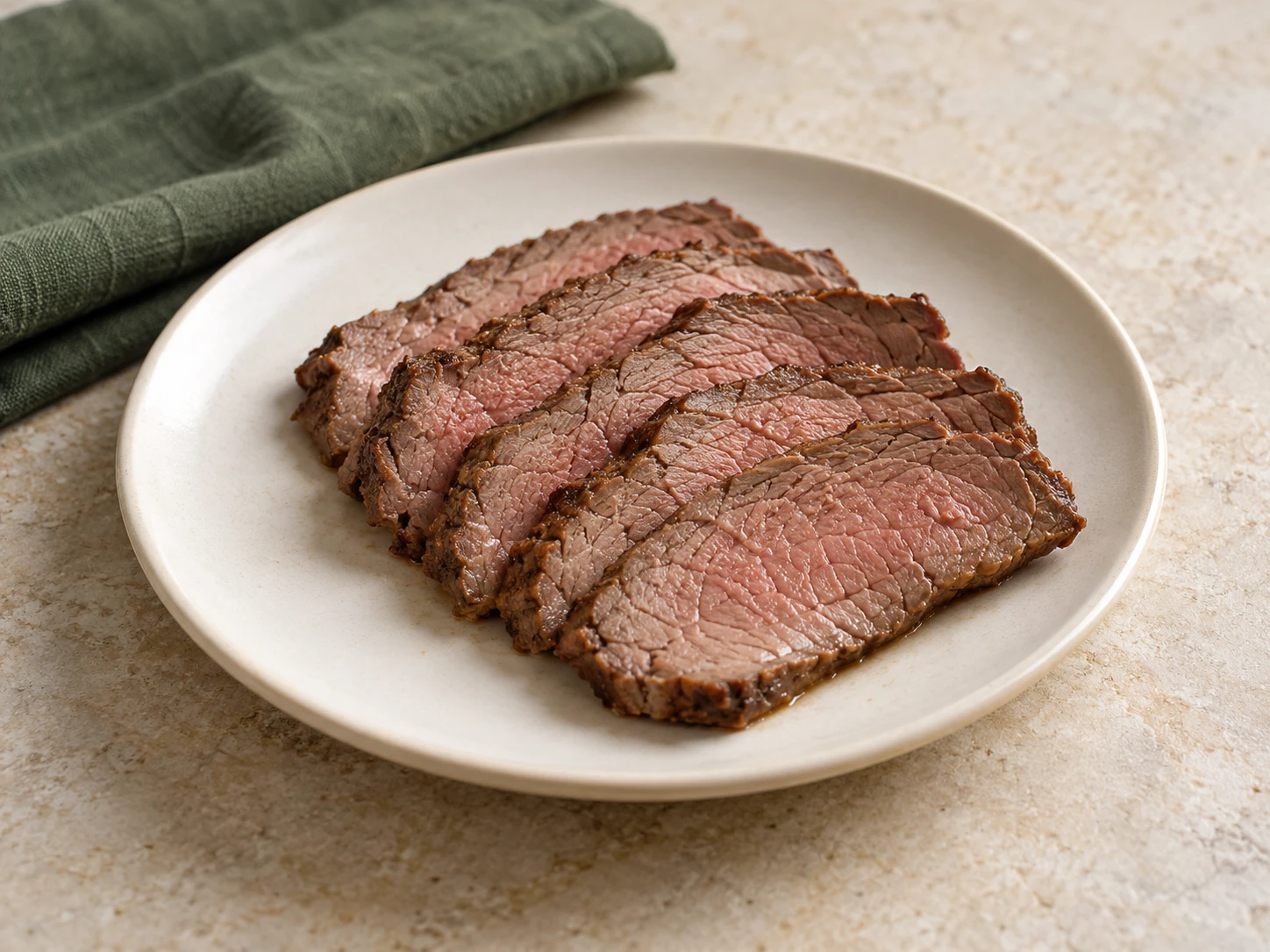
Slices of cooked roast beef on a small ceramic plate.

Three ounces of roasted beef

3.8 mg

Zinc

About 35% of the Daily Value

Zinc supports normal immune function, wound healing and the making of proteins and DNA.

Reference food: roasted bottom sirloin, cooked weight.

NIH zinc fact sheet

These are reference values for the foods and servings named, not measured Simply Pasture products. Actual amounts vary. Daily Values are label reference amounts, not personalized targets. Photographs are illustrative, not portion measurements.

Bring variety to the table.

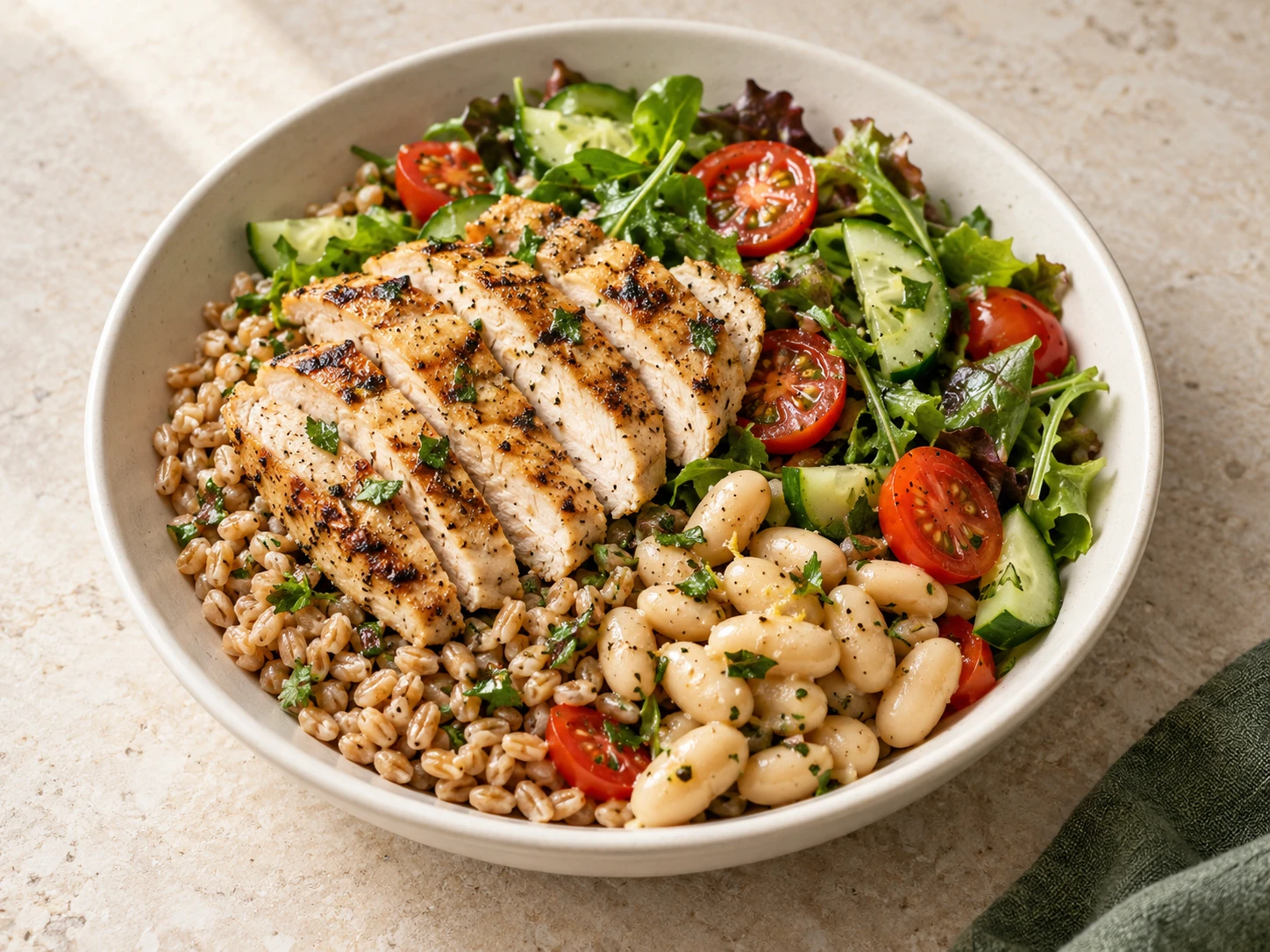
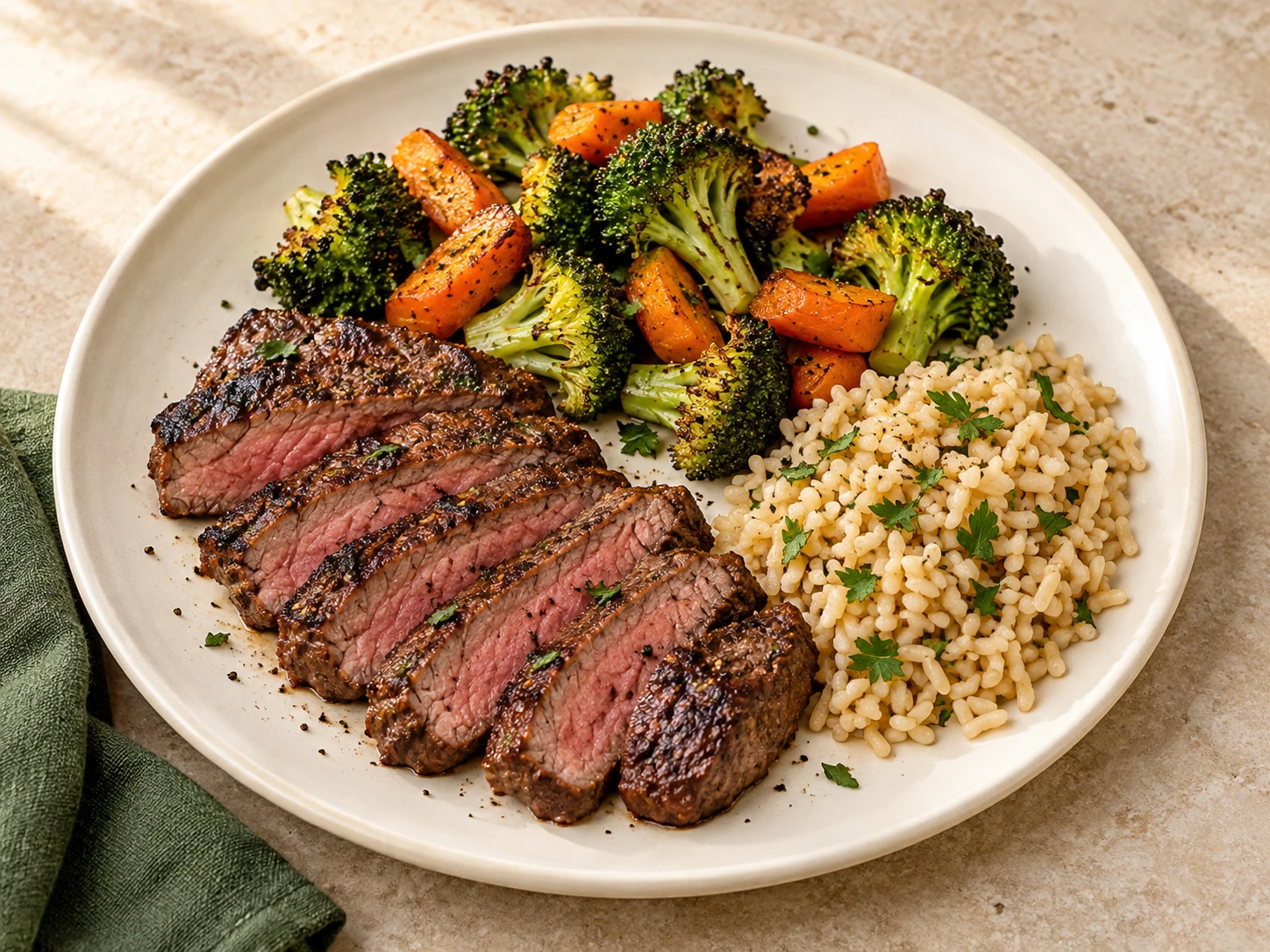
Try these three recipes pairing eggs, chicken or beef with vegetables and grains.

See all recipes

Know the food. Know the care.

Explore daily care on our example beef, dairy and egg farms, and see how those stories connect to the product concepts we’re developing.