Pasture-raised pork breakfast sausage to serve alongside eggs or build into a breakfast sandwich.
-
Pasture-Raised Pork Breakfast Sausage
-
Pasture-Raised Salted Butter
Salted butter for toast, baking, and finishing your favorite dishes.
-
Plain Whole Milk Greek Yogurt
Plain whole milk Greek yogurt to enjoy by the spoonful, pair with fruit, or use in your favorite recipes.
-
Pasture-Raised Whole Milk
Whole milk from pasture-raised cows, for your morning coffee, cereal, and everyday cooking and baking.
-
What Pasture-Raised Really Means
Learn / Understanding Labels / What Pasture-Raised Really Means
Understanding Labels
What Pasture-Raised Really Means
Go beyond the field on the carton: ask about outdoor conditions, daily care and the standard behind the words.
The short version
Look for the details behind the claim: the space, the care and the written requirements.
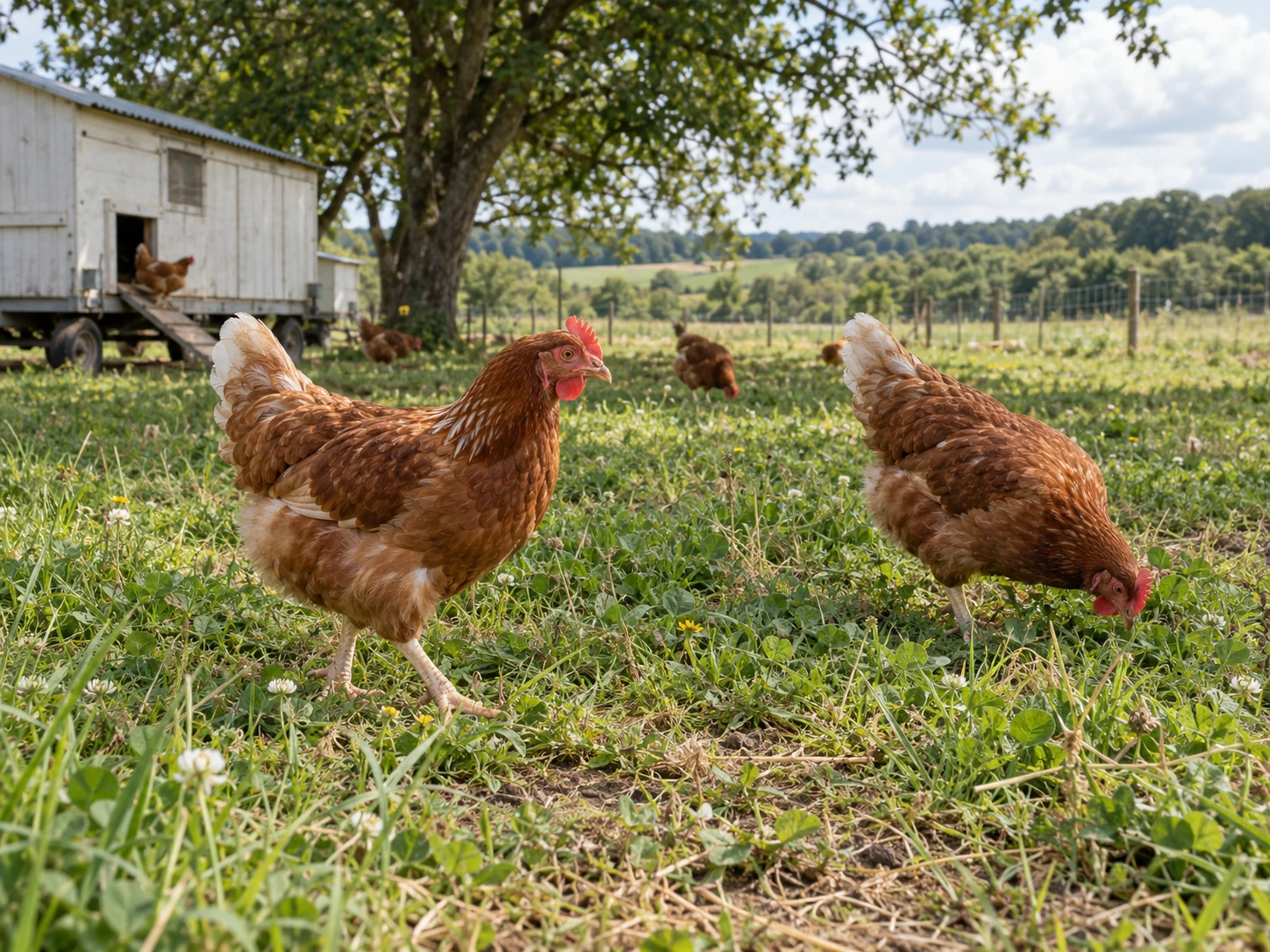
Illustrative scene; not an identified Simply Pasture partner farm. Pasture-raised describes an animal’s life on vegetated land. It does not, by itself, mean an all-grass diet. The details depend on the species and the written standard behind the claim.
To understand a particular product, look for a description of the outdoor area, shelter, feeding and daily care. A pasture photograph cannot tell that whole story.
The wording needs a framework
For meat and poultry pasture claims, USDA FSIS’s 2024 guidance encourages documentation that animals spent most of their lives on pasture, with the land mainly covered by rooted vegetation. That guidance concerns meat and poultry labeling; it should not be applied as a blanket rule for shell eggs or dairy. See the guidance.
Four questions worth asking
- What is the outdoor space like, and how is its condition maintained?
- What indoor shelter, shade and water are available?
- What does the animal eat, including feed provided alongside pasture?
- Which written standard applies, and how is compliance checked?
You do not need an answer packed with technical terms. A plain description, a named standard and a way to ask a follow-up question are a good place to start. Look for information that describes a typical day and difficult conditions, not just the best-looking season.
Care includes what happens indoors
For an example of how detailed requirements can work, Humane Farm Animal Care publishes species-specific standards covering feed, water, housing and management. Its laying-hen document includes provisions for both the house and outdoor systems. Those are that certification program’s requirements; Simply Pasture is not claiming that certification. Explore the published standards.
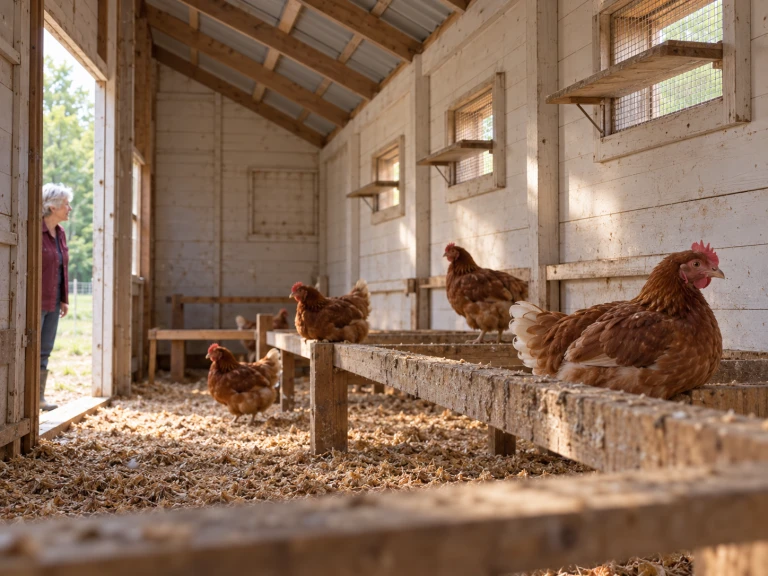
For us, that raises a useful editorial test: does a farm story show enough of daily life to help someone understand the care? We would want to see the practical spaces as well as the pasture: where animals drink, where they rest, and how someone checks on them.
The connection we are building
Simply Pasture is developing a framework around animal care, feed, farm identity and supporting information. Our example farm profiles show how that information could be presented. They are concept demonstrations, not profiles of confirmed suppliers.
Explore them with those four questions in mind. The purpose is to make better questions easier to ask and clearer answers easier to find.
Sources
- Substantiating Animal-Raising or Environment-Related Labeling Claims — USDA Food Safety and Inspection Service, 2024
- Egg Laying Hens, Edition 21 — Humane Farm Animal Care
-
Pasture-Raised Large Brown Eggs
Pasture-raised large brown eggs for breakfast, baking, and the recipes you make on repeat.
-
Pasture-Raised Boneless Skinless Chicken Thighs
Boneless, skinless chicken thighs from pasture-raised chickens. A versatile choice for the grill, skillet, or oven.
-
Pasture-Raised Center-Cut Pork Chops
Pasture-raised, bone-in center-cut pork chops for the grill or skillet. Pair with your favorite sides for a satisfying meal.