Learn / Living Land / Does Regenerative Farming Need Livestock?
Living Land
Does Regenerative Farming Need Livestock?
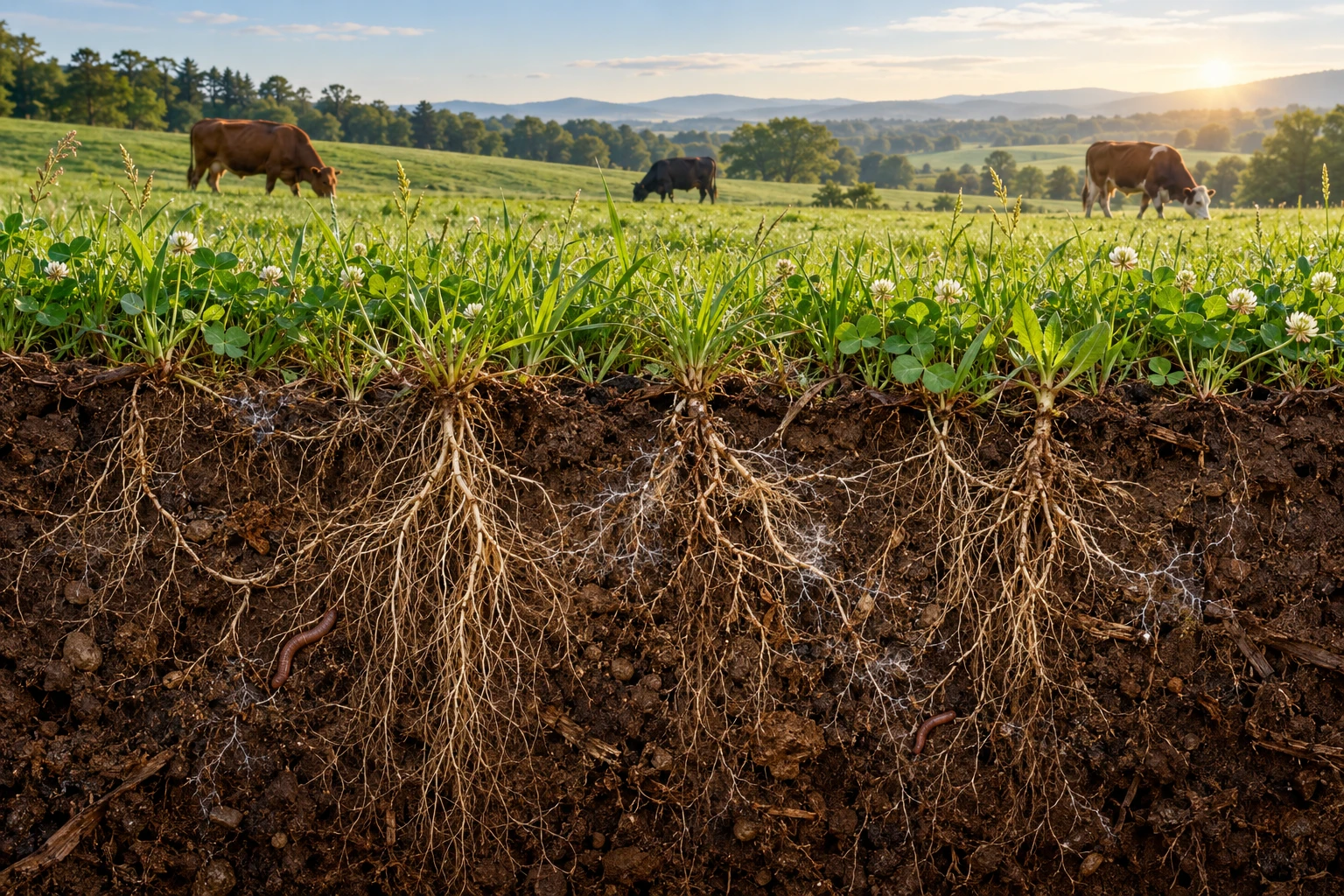
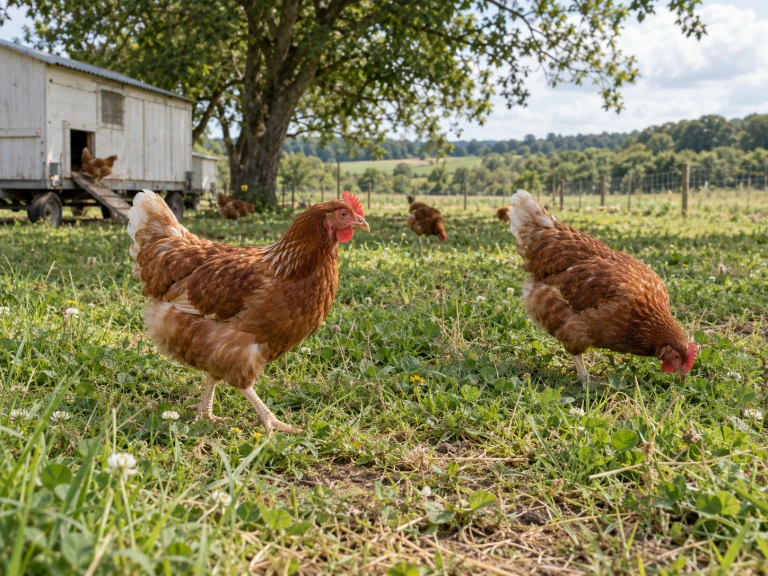
Animals can connect crops, forage and nutrients. They are one option for improving a farm system, and their role needs to fit the place.
No—livestock are not a universal requirement for regenerative farming. Animals can play a useful role, but farms can pursue soil-health goals through other combinations of practices. Regenerative agriculture has no single widely accepted definition, and the role assigned to livestock varies among frameworks. [1, 2]
The useful question is what work the animals do in the system, alongside the costs and effects of keeping them.
Animals can give forage another purpose
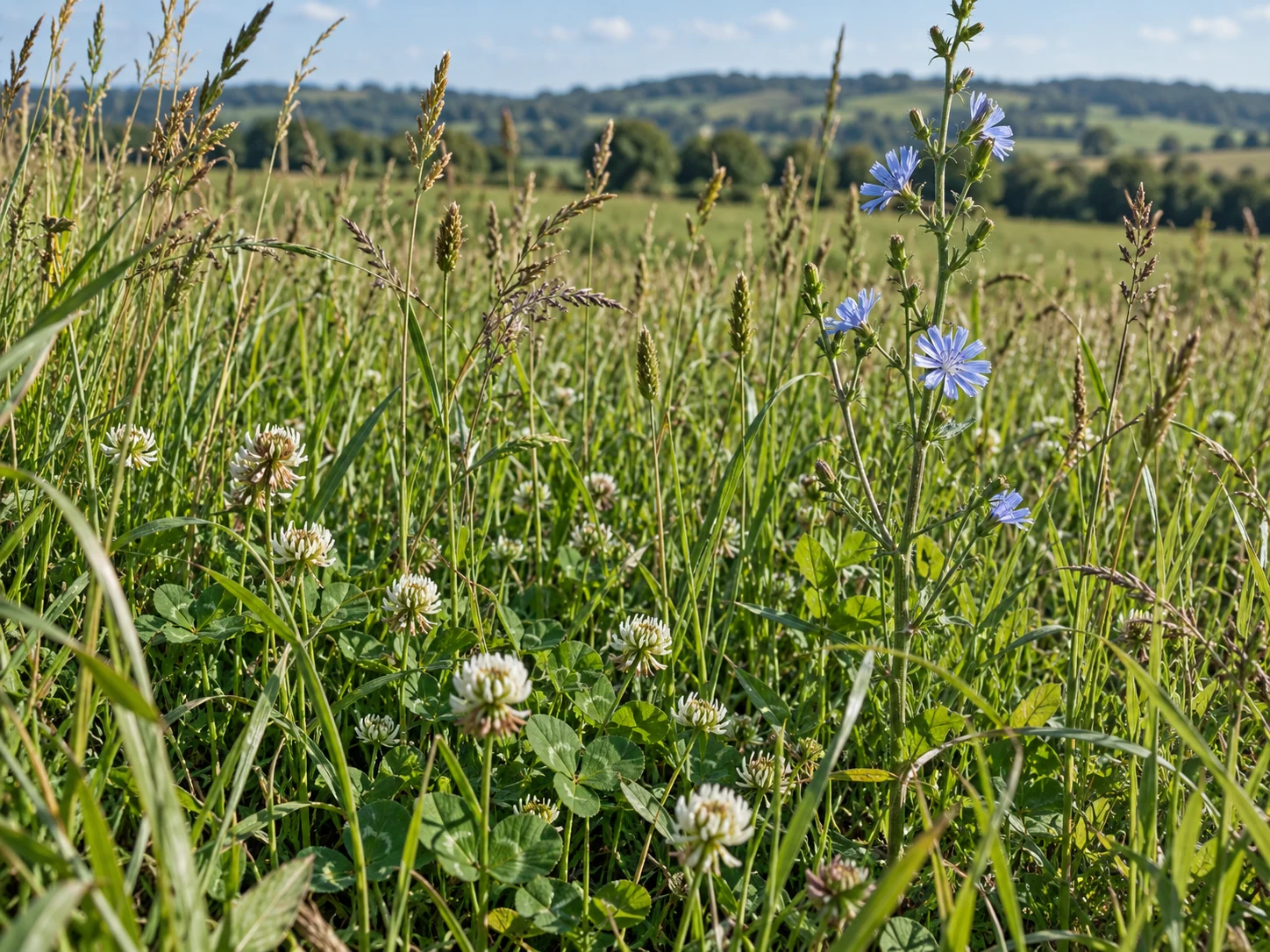
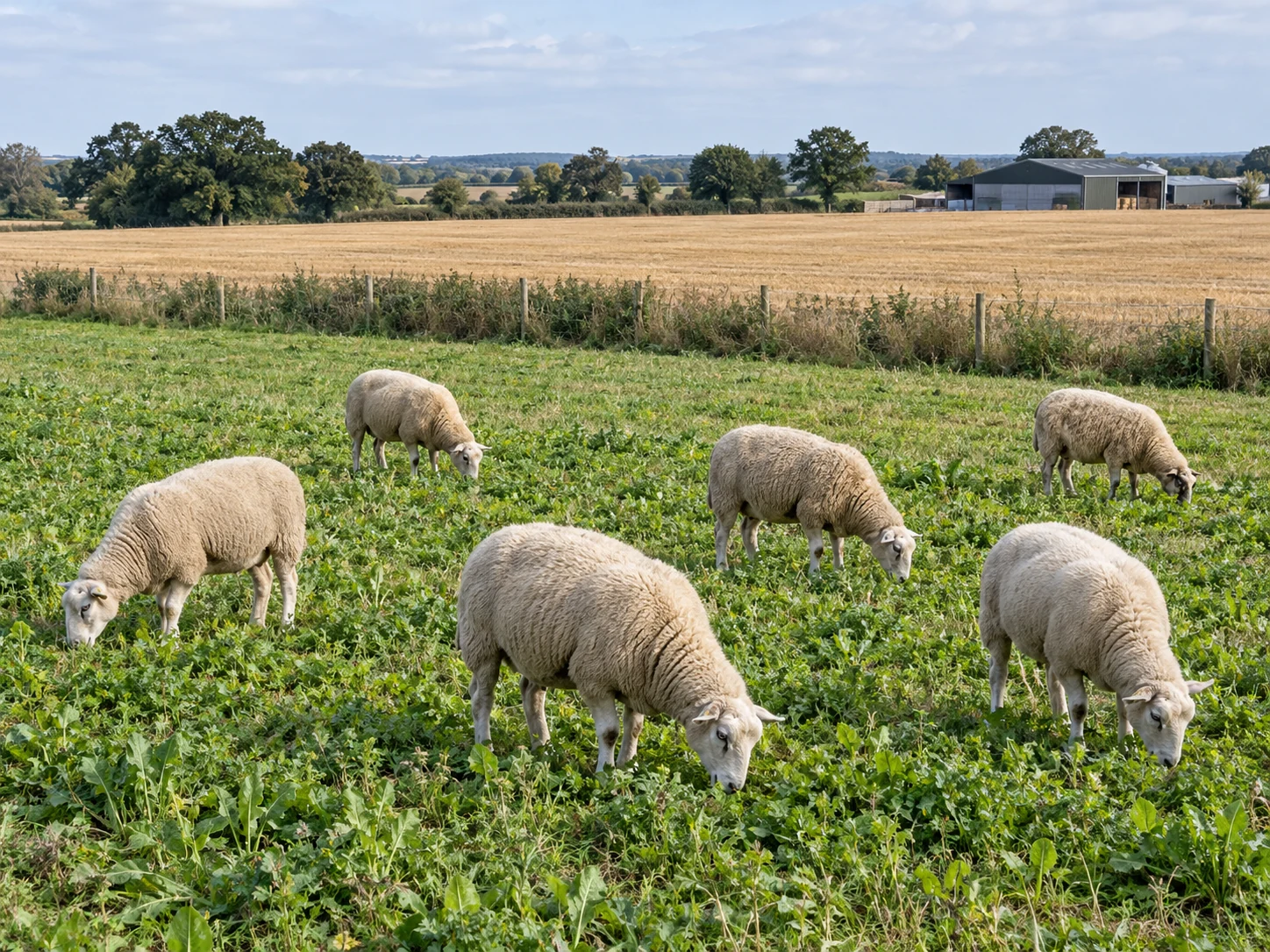
A crop farmer may grow a cover crop or include several years of grass and legumes in a rotation. Grazing animals can turn some of that vegetation into meat or milk, creating an additional use for plants grown between or alongside cash crops. [3, 4]
Animals harvest much of the forage themselves and return nutrients through manure and urine. This can connect crop and livestock enterprises and reduce some of the work of harvesting, transporting and spreading plant material. It does not remove the need to manage nutrient flows. [4]
Livestock can also help make a perennial forage phase economically useful where there is little market for hay. That can give a farm another reason to keep living roots growing for longer periods and diversify its rotation. [3, 4]
Integration takes infrastructure and judgment
Adding animals means adding responsibilities. A 2026 review discusses livestock integration as one potential way to improve nutrient cycling and diversify income, while recognizing the need for fencing, water, labor, equipment and management. Its emphasis is on semi-arid and arid agriculture, so its examples need that context. [2]
The land has limits, too. Too many animals, insufficient plant recovery or grazing wet ground can damage vegetation or compact soil. Returning manure is useful when the nutrients fit crop needs; excessive nutrients concentrated on too little land can create losses and pollution. [4]
A farm with excellent crop-management skills may not have the infrastructure or capacity to care for livestock. Integration has to work for the people and animals as well as for the rotation.
What can a farm do without livestock?
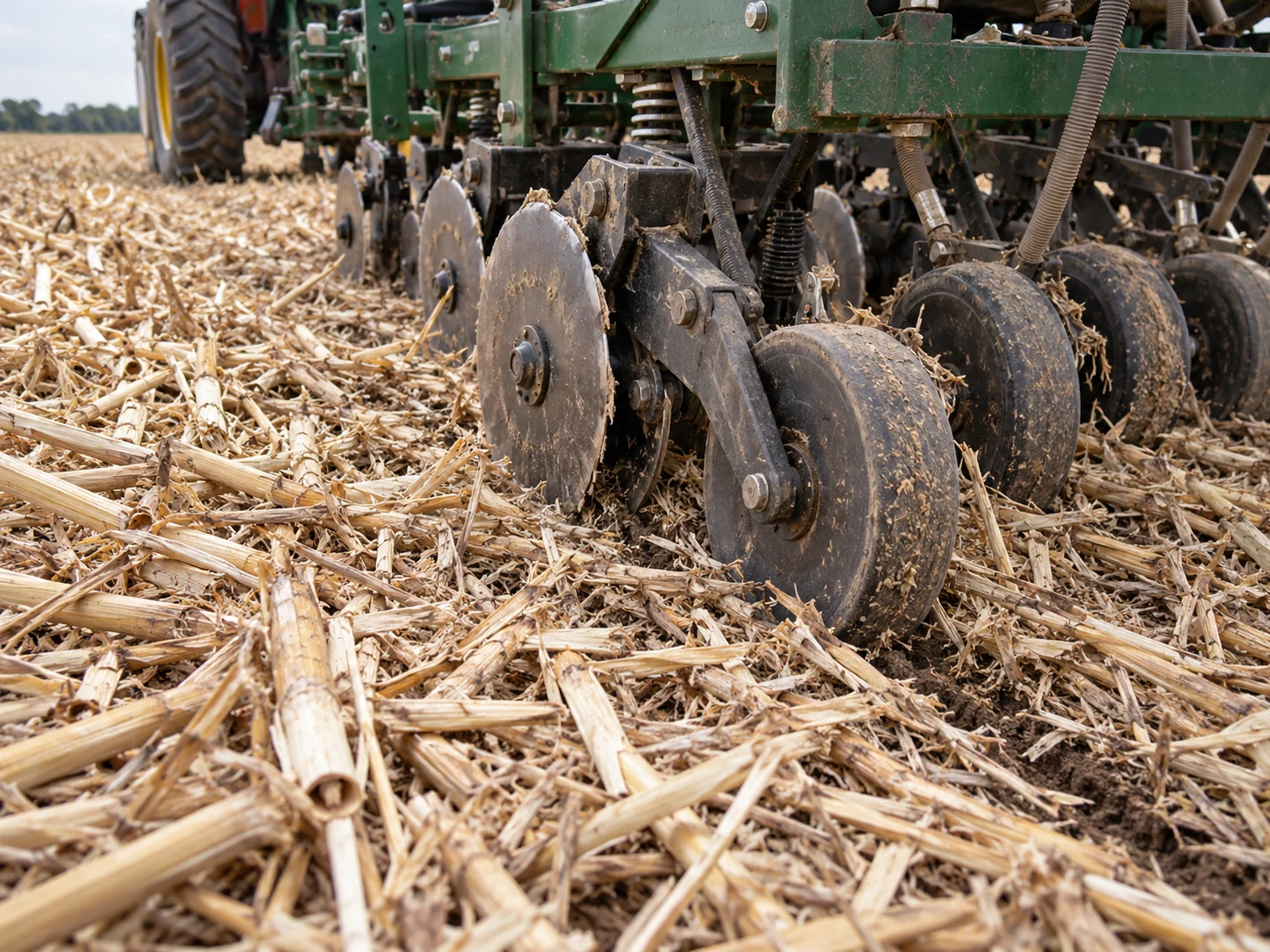
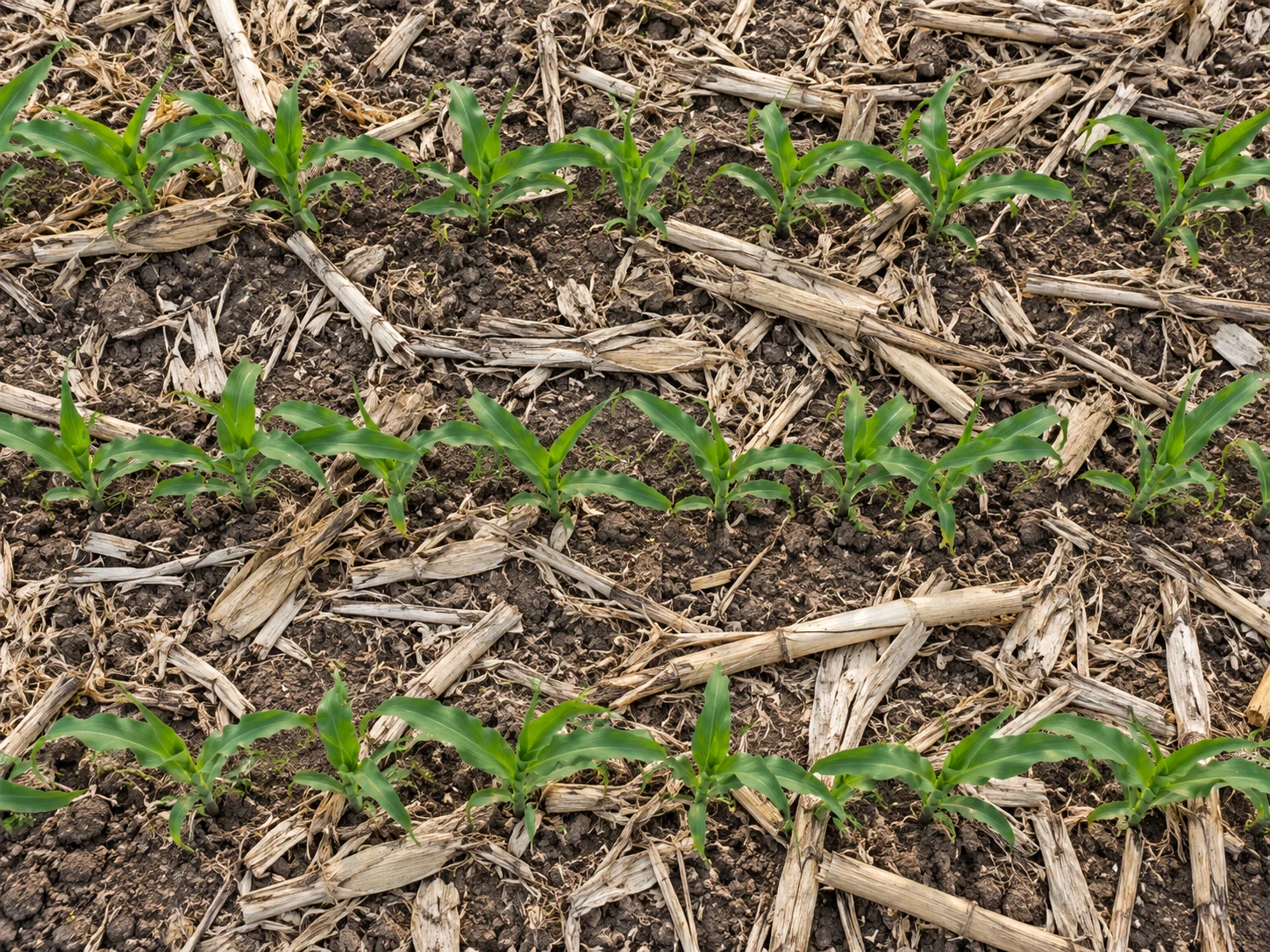
Crop rotations, cover crops, retained crop residues, perennial plants and appropriate organic amendments can contribute to soil-health goals on farms without their own animals. These practices can supply organic material, maintain roots for more of the year and protect the soil surface. [3, 5, 6]
SARE’s soil-management guide discusses diversifying crop systems, while University of Minnesota Extension describes several sources of organic material, including crop residues, cover crops, perennials and manure. A farmer can use different combinations according to the crops and resources available. [3, 6]
Having no livestock on the farm does not necessarily mean using no animal-derived inputs: compost or manure may come from elsewhere. Understanding the nutrient sources and what they supply is still part of understanding the farm.
Benefits and emissions both belong in the account
Cattle and sheep produce methane through normal digestion. EPA’s greenhouse-gas inventory identifies enteric fermentation—the digestive process involved—as an agricultural methane source. Emissions vary with animal type, feed intake, diet and management. [7]
Soil improvements or biodiversity benefits do not automatically cancel those emissions. A useful assessment considers the benefits and impacts together rather than assuming that adding grazing animals settles the climate question. [5, 7]
This does not erase the practical value of livestock. It means their contribution needs to be described specifically: which forage they use, how nutrients are handled, what the land can support and what outcomes are being measured.
Different farms can take different routes
A review of regenerative-agriculture definitions found that some emphasize practices while others emphasize outcomes. That helps explain why two farms can use the same term while operating very differently. [1]
One may graze sheep on cover crops. Another may grow vegetables with a diverse rotation and carefully managed amendments. The presence of animals alone cannot establish which soil is functioning better.
For readers following a farm’s story, that is a useful place to look closer. What problem is the farmer trying to solve? Why do these practices fit? What has changed over time? A clear account of those decisions says more than treating livestock as either a requirement or an automatic solution.
Sources and further reading
- What Is Regenerative Agriculture? A Review of Scholar and Practitioner Definitions Based on Processes and Outcomes. Newton and colleagues · Frontiers in Sustainable Food Systems · 2020.
- Exploring the nexus between regenerative agriculture and soil health: a special emphasis on semi-arid and arid agriculture. Arp and colleagues · Frontiers in Agronomy · 2026.
- Building Soils for Better Crops: Diversifying Cropping Systems. SARE Outreach · 2021.
- Building Soils for Better Crops: Integrating Crops and Livestock. SARE Outreach · 2021.
- Grounding United States policies and programs in soil carbon science: strengths, limitations, and opportunities. Gelardi, Rath and Kruger · Frontiers in Sustainable Food Systems · 2023.
- Soil organic matter in cropping systems. University of Minnesota Extension.
- Inventory of U.S. Greenhouse Gas Emissions and Sinks: 1990–2022, Chapter 5: Agriculture. U.S. Environmental Protection Agency · 2024.